


School Refusal: What's Really Going On and How Families Can Help

When a child repeatedly says they cannot go to school, mornings can quickly become overwhelming for the entire family. School refusal is more than simply not wanting to attend class. For many children and teens, it reflects significant emotional distress connected to anxiety, ADHD, depression, social difficulties, academic pressure, or other challenges.
At Seaside Psychiatry in Encinitas, we help families look beyond the behavior to understand what is making school feel unmanageable and develop a plan that supports a successful return.
When School Anxiety Turns Into School Avoidance
School refusal can develop gradually or appear suddenly after a stressful experience, illness, school transition, holiday break, or other disruption. Children may complain of headaches, stomachaches, nausea, or other physical symptoms before school. Some become tearful, panicked, irritable, or unable to leave home.
These symptoms should not automatically be dismissed as attempts to avoid responsibility. Anxiety connected to school can produce genuine emotional and physical distress. Persistent school refusal can also interfere with academics, friendships, independence, and family routines.
Common signs families may notice include:
• Frequent physical complaints before school
• Intense anxiety or panic on school mornings
• Repeated lateness, absences, or requests to leave early
• Difficulty separating from a parent or caregiver
• Emotional outbursts when school attendance is discussed
• Falling grades or increasing academic frustration
• Changes in sleep, mood, friendships, or motivation
What's Really Driving School Avoidance?
Effective school refusal treatment starts with understanding why the child is struggling. Two children can display similar avoidance while needing very different forms of support.
Anxiety disorders are common contributors, including separation anxiety, social anxiety, generalized anxiety, and panic symptoms. Depression, bullying, learning challenges, family changes, and stressful experiences can also play a role.
School avoidance, ADHD, and anxiety can be especially complicated when they occur together. A child with ADHD may feel overwhelmed by assignments, organization, classroom expectations, or repeated academic frustration. Anxiety can then intensify the desire to escape those situations.
How A Child Psychiatrist Can Help
Families searching for a child psychiatrist for school anxiety in Encinitas often need more than a strategy for getting their child through the school doors. A comprehensive psychiatric evaluation can examine emotional health, attention, executive functioning, sleep, academic demands, relationships, family dynamics, and other factors influencing attendance.
At Seaside Psychiatry, our child and adolescent psychiatric care is individualized and may incorporate psychotherapy, parent guidance, executive functioning strategies, lifestyle support, and medication management when appropriate. We can also collaborate with schools and other professionals with parental consent.
Returning To School Successfully
While keeping a distressed child home can offer short-term relief, we know that ongoing school avoidance can make returning feel even more difficult over time. Our goal is to understand what is driving the avoidance and create a structured, supportive plan that helps your child feel more comfortable returning to school.
Depending on your child’s needs, we may recommend coping strategies, parent guidance, coordination with school staff, academic accommodations, or a gradual return-to-school plan. We work with families to build an approach that addresses the underlying concerns while supporting steady progress toward regular school attendance.
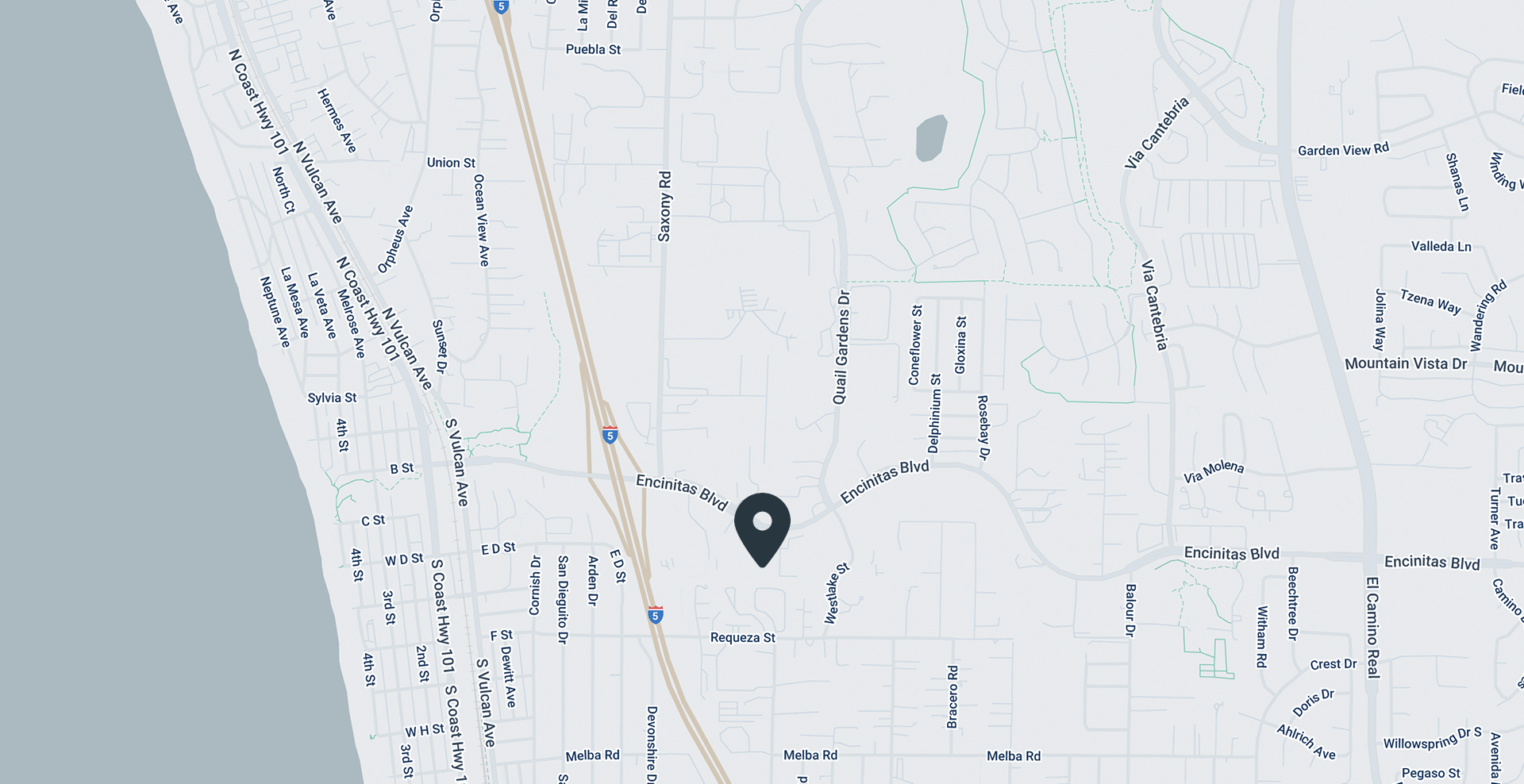
If school refusal is disrupting your child's education or your family's daily life, Seaside Psychiatry can help identify what is driving the struggle and create a personalized path forward. Visit our office in Encinitas, California, request an appointment online, or call (858) 225-6168 today.
Most Previous Blogs







Preparing for Surgery: Essential Questions to Strengthen Recovery and Mental Resilience
May 21, 2025





Is Ketamine a Cure for Depression or Does It Only Provide Temporary Relief of Symptoms?
November 21, 2025







High-Functioning Anxiety: When ‘Pushing Through’ Stops Working for Busy Professionals
May 11th, 2026

Summer Routine Changes: Supporting Neurodiverse Children and Teens During Summer Break
May 26, 2026



Services
We Offer

Keep
In Touch

© 2026 Seaside Psychiatry. All rights Reserved. Accessibility Statement - Privacy Policy - Sitemap - HIPAA Notice
Powered by:
