


Finding What Works for You: Therapy Approaches With and Without Medication

When it comes to mental health treatment, there is no single approach that works for everyone. Some people benefit most from therapy alone, while others find that medication plays an important role in helping them feel more stable, focused, or emotionally balanced. The right plan depends on your symptoms, history, goals, and daily life.
At Seaside Psychiatry, treatment is personalized rather than one-size-fits-all. Whether you are exploring talk therapy, medication management, or a combination of both, the goal is to find an approach that supports meaningful and lasting progress.
How Talk Therapy Helps
Talk therapy gives you space to understand thought patterns, behaviors, relationships, and emotional triggers. It can be especially helpful for anxiety, depression, stress, trauma, and life transitions. Therapy also helps many people build practical skills for communication, emotional regulation, and coping with everyday challenges.
For some, therapy provides enough support on its own. This is often true when symptoms are mild to moderate or when a person wants to focus on insight, behavior change, and long-term emotional growth.
When Medication May Be Part of the Plan
Medication can be helpful when symptoms are interfering with sleep, work, relationships, or overall functioning. For people with moderate to severe anxiety, depression, mood disorders, or attention-related concerns, medication may help reduce symptoms enough that therapy becomes even more effective.
This does not mean medication replaces therapy. In many cases, it supports the therapeutic process by improving stability, focus, or emotional resilience.
Why Some People Benefit From Both
A combined approach can address mental health from more than one angle. Therapy helps you understand and manage underlying patterns, while medication may help reduce the intensity of symptoms.
Benefits of combining therapy and medication may include:
- Better symptom relief for certain conditions
- Improved ability to engage in therapy
- More support during high-stress periods
- A treatment plan that can be adjusted over time
This kind of flexibility is important because mental health needs can change.
Treatment Should Be Personalized
The best treatment plan is built around the individual. Factors such as symptom severity, medical history, lifestyle, stress level, family responsibilities, and personal preferences all matter. Some people want to avoid medication if possible. Others are open to it but want thoughtful guidance. Both perspectives are valid.
A personalized approach also includes regular check-ins and thoughtful adjustments over time. As your circumstances, symptoms, and goals change, your treatment plan may need to change with them.
Looking at the Whole Picture
Mental health care is often most effective when it considers more than symptoms alone. Sleep, nutrition, stress, relationships, and daily routines can all affect emotional well-being. A more complete view can help identify what is contributing to distress and what may support improvement. That is why many patients appreciate an approach that blends evidence-based psychiatric care with therapy and lifestyle support.
Finding the Right Fit for You
Choosing between therapy, medication, or both should not feel overwhelming. The process starts with an honest evaluation and a conversation about what you are experiencing. From there, treatment can be tailored to match your goals and comfort level.
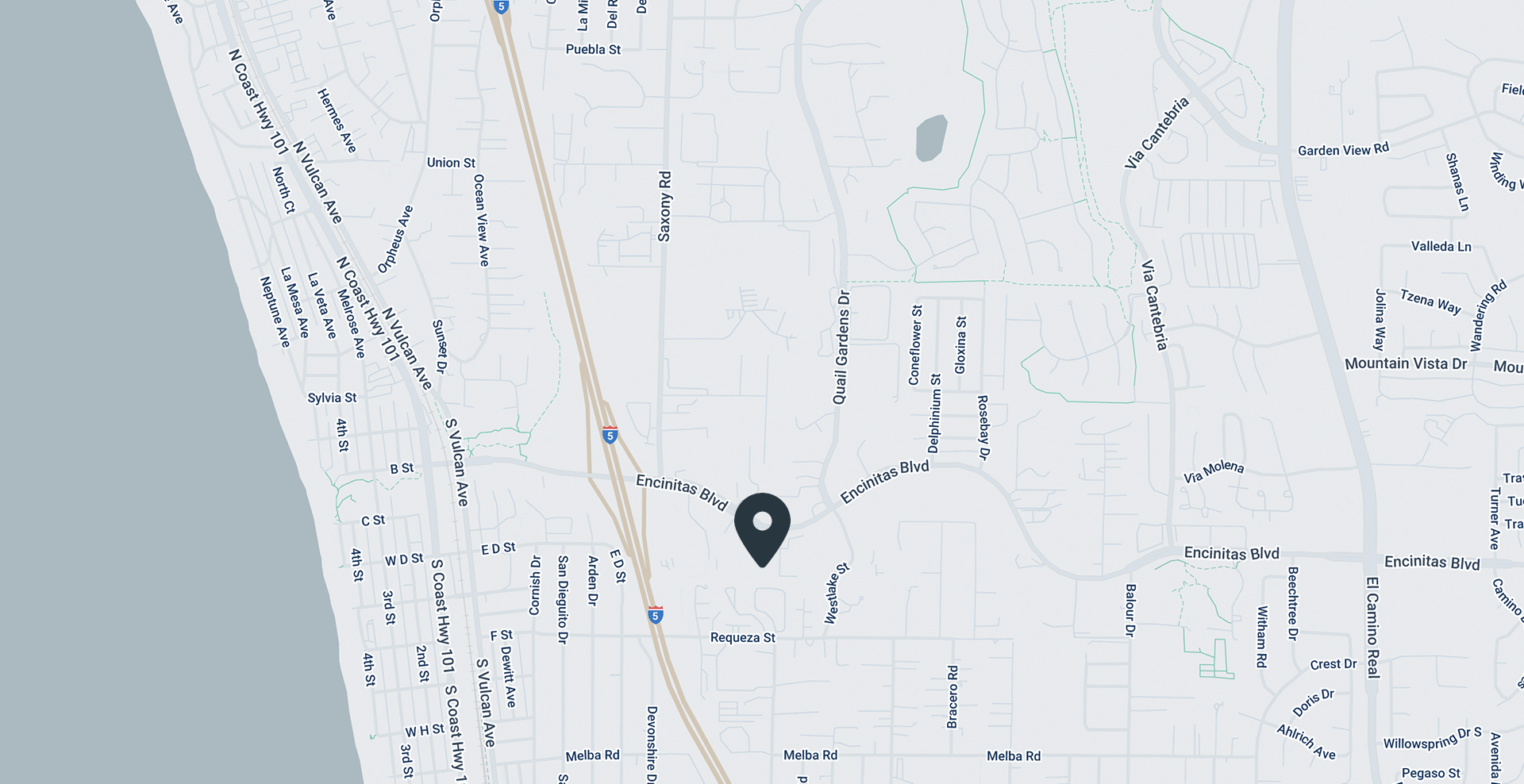
Whether you are exploring therapy, considering medication management, or looking for personalized mental health care, Seaside Psychiatry is here to help. Visit our office in Encinitas, California, request an appointment online, or call (858) 225-6168 today.
Most Previous Blogs







Preparing for Surgery: Essential Questions to Strengthen Recovery and Mental Resilience
May 21, 2025





Is Ketamine a Cure for Depression or Does It Only Provide Temporary Relief of Symptoms?
November 21, 2025






High-Functioning Anxiety: When ‘Pushing Through’ Stops Working for Busy Professionals
May 11th, 2026

Summer Routine Changes: Supporting Neurodiverse Children and Teens During Summer Break
May 26, 2026




Services
We Offer

Keep
In Touch

© 2026 Seaside Psychiatry. All rights Reserved. Accessibility Statement - Privacy Policy - Sitemap - HIPAA Notice
Powered by:
