


Lifestyle Optimization for Mental Wellness

Mental wellness is not achieved through a single breakthrough moment. It is cultivated daily - through habits, environment, relationships, and intentional choices. While therapy and medication play essential roles for many individuals, lifestyle optimization can significantly enhance emotional resilience, cognitive clarity, and overall psychological well-being.
At Seaside Psychiatry, we believe mental health care works best when clinical support is paired with sustainable lifestyle strategies. Here’s how optimizing key areas of your life can strengthen your mental wellness from the inside out.
Sleep: The Foundation of Emotional Stability
Sleep is not a luxury - it is a biological necessity for mental health. Chronic sleep deprivation increases the risk of anxiety, depression, mood swings, and difficulty concentrating. Quality sleep supports emotional regulation, memory consolidation, and stress recovery.
Ways to optimize sleep:
- Maintain a consistent sleep and wake schedule (even on weekends)
- Create a dark, cool, and quiet sleep environment
- Limit screen time at least 60 minutes before bed
- Avoid caffeine and alcohol late in the day
- Develop a calming pre-sleep routine
If persistent insomnia or disrupted sleep continues, it may signal an underlying mental health condition that deserves professional evaluation.
Nutrition: Fueling the Brain
The brain is metabolically active and highly sensitive to nutritional deficiencies. Blood sugar instability, chronic inflammation, and poor gut health can all influence mood and cognition.
Nutrition strategies for mental wellness:
- Prioritize whole foods: vegetables, fruits, lean proteins, healthy fats
- Include omega-3 fatty acids (found in fatty fish, flaxseeds, walnuts)
- Limit highly processed foods and excessive sugar
- Stay hydrated throughout the day
- Avoid restrictive dieting patterns that increase stress around food
Emerging research continues to explore the gut-brain connection, emphasizing how balanced nutrition supports neurotransmitter production and emotional stability.
Movement: Natural Mood Regulation
Exercise is one of the most effective natural interventions for stress, anxiety, and depression. Physical activity increases endorphins, supports serotonin regulation, and reduces inflammation.
You do not need intense workouts to see benefits. The key is consistency.
Simple ways to incorporate movement:
- 20-30 minutes of brisk walking
- Gentle yoga or stretching
- Strength training 2-3 times per week
- Outdoor activities for added sunlight exposure
Movement also improves sleep quality and cognitive function, creating a positive feedback loop for mental wellness.
Stress Management and Nervous System Regulation
Modern life often keeps the nervous system in a constant state of activation. Chronic stress can lead to irritability, burnout, and physical symptoms such as headaches or digestive issues.
Effective stress management focuses on regulating the body, not just “thinking positively.”
Helpful practices include:
- Deep diaphragmatic breathing
- Mindfulness or meditation
- Structured downtime without screens
- Time in nature
- Setting healthy boundaries in work and relationships
Small, daily nervous system resets can dramatically improve emotional resilience over time.
Social Connection and Support
Human connection is protective against depression and anxiety. Meaningful relationships provide perspective, validation, and emotional grounding.
Quality matters more than quantity. Consider:
- Regular check-ins with trusted friends or family
- Participating in community or group activities
- Seeking therapy when you need a safe, structured space to process challenges
Isolation can intensify negative thought patterns, while connection helps regulate emotional stress responses.
Digital Hygiene and Mental Clarity
Excessive social media use and constant digital stimulation can increase anxiety, comparison, and mental fatigue.
Optimizing digital habits may include:
- Setting time limits for social media
- Turning off nonessential notifications
- Avoiding news consumption before bed
- Scheduling screen-free time each day
Creating intentional digital boundaries helps restore focus and emotional balance.
When Lifestyle Changes Aren’t Enough
Lifestyle optimization is powerful - but it is not a replacement for professional mental health care when symptoms are persistent or severe.
If you are experiencing:
- Ongoing anxiety or panic attacks
- Persistent sadness or hopelessness
- Difficulty functioning at work or home
- Changes in appetite or sleep
- Intrusive thoughts or mood instability
A psychiatric evaluation with Seaside Psychiatry can help determine whether therapy, medication, or an integrated treatment plan is appropriate.
Optimize Your Mental Wellness Today
Optimizing sleep, nutrition, movement, stress management, social connection, and digital boundaries creates a strong foundation for emotional resilience. While these strategies can significantly enhance well-being, professional support remains an essential resource when challenges exceed what lifestyle changes alone can address. At Seaside Psychiatry, we believe in treating the whole person. By combining evidence-based psychiatric care with practical lifestyle strategies, we help patients build sustainable mental wellness from the inside out.
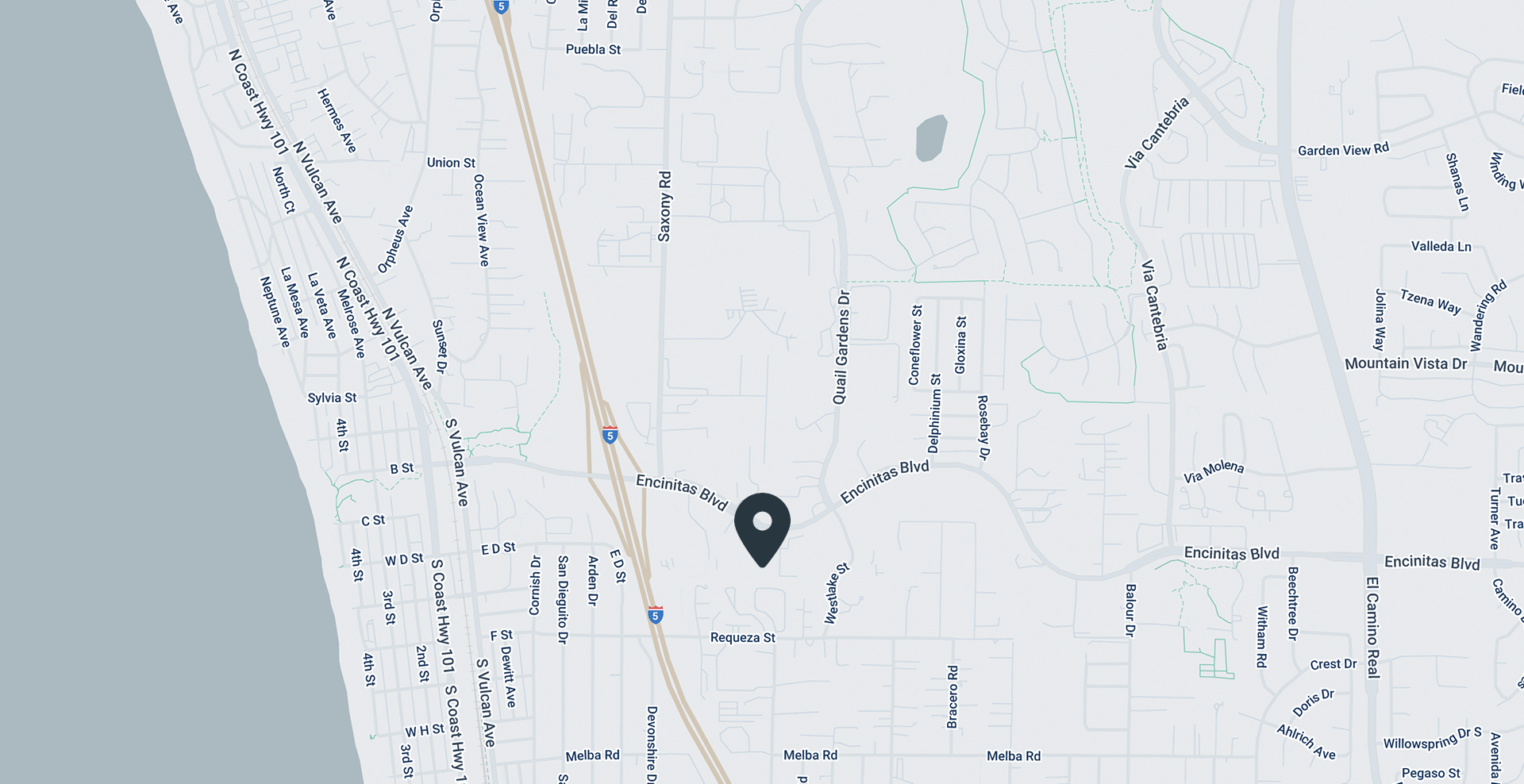
If you are ready to take a proactive approach to your mental health, Seaside Psychiatry is here to help. Contact our office to schedule a consultation and begin a personalized plan designed to support your long-term well-being. Visit our office in Encinitas, California, request an appointment online, or call (858) 225-6168 today.
Most Previous Blogs







Preparing for Surgery: Essential Questions to Strengthen Recovery and Mental Resilience
May 21, 2025





Is Ketamine a Cure for Depression or Does It Only Provide Temporary Relief of Symptoms?
November 21, 2025






High-Functioning Anxiety: When ‘Pushing Through’ Stops Working for Busy Professionals
May 11th, 2026

Summer Routine Changes: Supporting Neurodiverse Children and Teens During Summer Break
May 26, 2026




Services
We Offer

Keep
In Touch

© 2026 Seaside Psychiatry. All rights Reserved. Accessibility Statement - Privacy Policy - Sitemap - HIPAA Notice
Powered by:
