


High-Functioning Anxiety: When ‘Pushing Through’ Stops Working for Busy Professionals

Many successful professionals assume anxiety would be obvious if they had it. They imagine panic attacks, missed deadlines, or difficulty functioning at work.
In reality, anxiety often looks very different.
It can look like answering emails late into the evening because your mind will not let the day end. It can look like preparing excessively for meetings, replaying conversations long after they are over, or feeling unable to fully relax even during vacation. From the outside, life appears successful and well-managed. Internally, however, there may be a constant sense of pressure that never fully turns off.
This experience is often referred to as high-functioning anxiety. While not a formal psychiatric diagnosis, it describes a pattern many executives, entrepreneurs, physicians, attorneys, business owners, and other high-achieving professionals know well.
What Is High-Functioning Anxiety?
High-functioning anxiety describes the experience of carrying significant anxiety while continuing to perform at a high level professionally and personally.
Individuals with high-functioning anxiety are often dependable, organized, conscientious, and driven. They meet deadlines, lead teams, care for families, and maintain responsibilities. Because they continue functioning well, their distress may go unnoticed by colleagues, friends, and sometimes even by themselves.
In many cases, anxiety becomes woven into a person's identity. The constant planning, anticipation, and vigilance can begin to feel less like symptoms and more like personality traits.
The difficulty is that success can mask strain. Many people do not seek support until anxiety begins affecting sleep, concentration, relationships, physical health, or overall quality of life.
When Productivity Becomes a Coping Strategy
For ambitious professionals, pushing through discomfort is often rewarded. The ability to work harder, stay available, and solve problems under pressure may contribute directly to career success.
Over time, however, the strategies that once felt productive can become exhausting.
Perfectionism may lead to overpreparation. A strong sense of responsibility may make it difficult to delegate. Constant responsiveness may create the feeling that work is never truly finished. Even periods of rest can feel uncomfortable because the mind remains focused on what comes next.
Many professionals tell us they are functioning well by most external measures but no longer feel present in their own lives. Achievements continue to accumulate, yet satisfaction becomes increasingly difficult to access.
Signs High-Functioning Anxiety May Be Affecting Your Life
Anxiety does not always interfere with performance. Often, it affects well-being first.
Common signs include:
- Difficulty relaxing even when responsibilities are complete
- Racing thoughts or constant mental planning
- Persistent worry about future outcomes
- Trouble falling asleep or waking with a sense of urgency
- Irritability, tension, or feeling chronically on edge
- Fear of disappointing others or making mistakes
- Overcommitting and difficulty setting boundaries
- Excessive self-criticism despite accomplishments
- Feeling disconnected from personal priorities outside of work
- Physical symptoms such as headaches, muscle tension, digestive issues, or fatigue
Many people are surprised to discover how much energy is being spent managing anxiety until they experience what it feels like to function without carrying that burden every day.
The Hidden Cost of Always Performing
High-achieving adults often occupy roles that require calm decision-making, leadership, and reliability. Executives lead organizations. Physicians care for patients. Business owners support employees and families. Parents coordinate countless responsibilities behind the scenes.
When others depend on you, acknowledging your own stress can feel uncomfortable. Many professionals become skilled at functioning through anxiety while privately absorbing increasing levels of pressure.
The challenge is that the nervous system eventually keeps score.
Sleep becomes less restorative. Focus becomes harder to sustain. Small stressors feel disproportionately draining. Relationships may receive less attention than work demands. What initially appeared manageable begins to require significantly more effort.
How Personalized Psychiatry Can Help
High-functioning anxiety rarely responds to generic advice to "stress less" or "practice better self-care."
Effective treatment begins with understanding the factors contributing to anxiety. For some individuals, perfectionism and performance pressure are central drivers. For others, sleep disruption, chronic stress, burnout, family demands, attention difficulties, or underlying mood and anxiety disorders may be contributing factors.
A personalized psychiatric evaluation helps identify these patterns and create a treatment plan tailored to the individual rather than relying on a one-size-fits-all approach.
Depending on a person's needs, treatment may include psychotherapy, medication management, lifestyle interventions, sleep optimization, executive wellness strategies, or an integrated combination of approaches. The goal is not to reduce ambition or motivation. Rather, it is to help high-performing individuals function with greater clarity, resilience, balance, and emotional flexibility.
Frequently Asked Questions
What is the difference between high-functioning anxiety and generalized anxiety disorder?
High-functioning anxiety is not an official psychiatric diagnosis. It is a term often used to describe people who experience significant anxiety while continuing to perform well in work, school, or daily responsibilities. Some individuals with high-functioning anxiety may meet criteria for generalized anxiety disorder or another anxiety disorder, while others may not.
Can successful professionals have anxiety even if they are performing well?
Yes. Professional success does not protect someone from anxiety. Many executives, entrepreneurs, physicians, attorneys, and other high-achieving individuals continue to perform at a high level while experiencing significant internal stress, worry, or emotional strain.
When should I seek help for anxiety?
Consider seeking professional support if anxiety is affecting sleep, relationships, concentration, physical health, decision-making, or your ability to enjoy life outside of work. Many people benefit from treatment long before symptoms reach the level of burnout or crisis.
Personalized Anxiety Treatment in Encinitas, California
At Seaside Psychiatry, we provide personalized psychiatric care for professionals, executives, entrepreneurs, physicians, and adults seeking a more thoughtful approach to mental health. Our concierge-style model allows for comprehensive evaluation, individualized treatment planning, and care designed around the demands of a busy life.
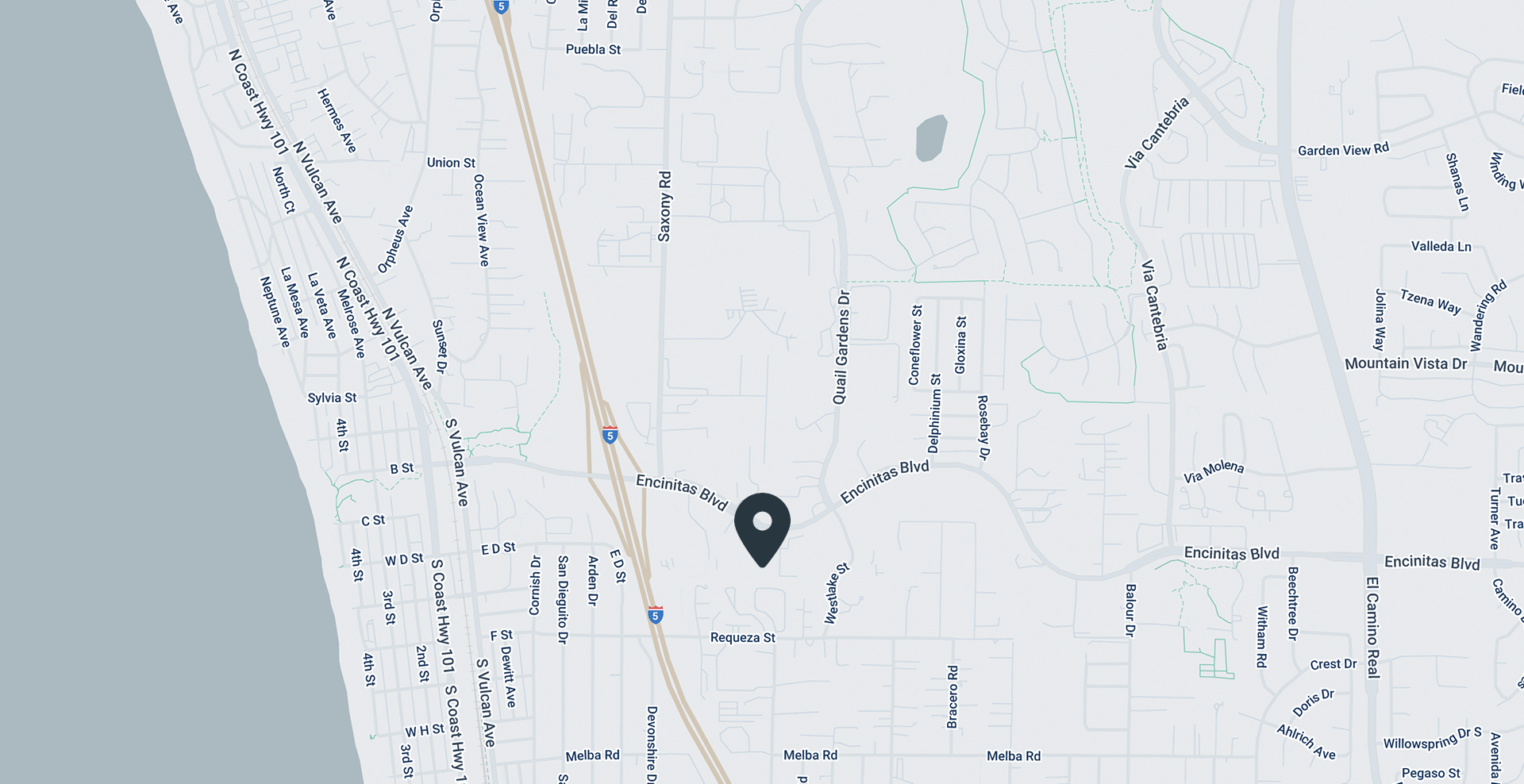
If anxiety, stress, or burnout are beginning to affect your well-being, support is available. Schedule a consultation with Seaside Psychiatry to explore personalized support for high-functioning anxiety and professional burnout. Visit our office in Encinitas, California, request an appointment online, or call (858) 225-6168 today.
Most Previous Blogs








Preparing for Surgery: Essential Questions to Strengthen Recovery and Mental Resilience
May 21, 2025





Is Ketamine a Cure for Depression or Does It Only Provide Temporary Relief of Symptoms?
November 21, 2025






High-Functioning Anxiety: When ‘Pushing Through’ Stops Working for Busy Professionals
May 11th, 2026

Summer Routine Changes: Supporting Neurodiverse Children and Teens During Summer Break
May 26, 2026




Services
We Offer

Keep
In Touch

© 2026 Seaside Psychiatry. All rights Reserved. Accessibility Statement - Privacy Policy - Sitemap - HIPAA Notice
Powered by:
