


What Your Teenager Isn't Telling You - and Why That's Not Your Fault

What Your Teenager Isn't Telling You - and Why That's Not Your Fault
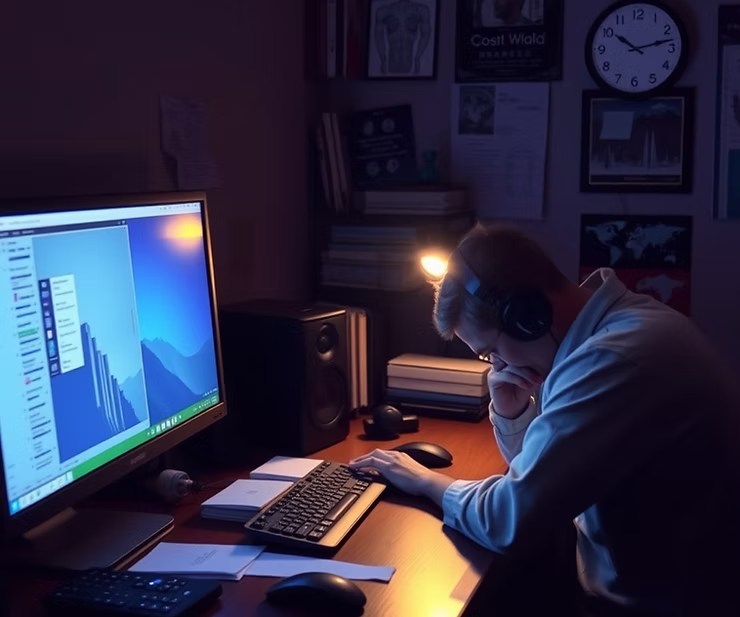
Many parents in Encinitas know the feeling. Your teenager comes home quiet, gives one-word answers, or says they are “fine” when you can tell something is off. It can feel confusing, painful, and even like a sign that you have done something wrong.
Adolescent silence is rarely about secrecy. Understanding what's behind it changes everything for parents and their kids - and opens the door to the honest conversations that actually help.
Teenager mental health communication is not always direct. Teens may not have the words for what they are feeling, or they may worry that opening up will lead to judgment, lectures, or consequences. In many cases, silence is not rejection. It is a sign that your teen is still learning how to process emotions, stress, and independence.
Why Teens Pull Back
Adolescence is a time of rapid emotional, social, and developmental change. Teens may be balancing school pressure, friendships, sports, social media, college planning, identity questions, and family expectations all at once. Even high-achieving or outwardly confident teens can feel overwhelmed inside.
Some teens stay quiet because they do not want to worry their parents. Others are afraid their feelings will be misunderstood. Some may feel embarrassed by anxiety, sadness, irritability, or changes in motivation. For parents, this is where an adolescent psychiatry parent guide can be helpful - not as a script, but as a way to better understand what your teen may be trying to communicate without saying it clearly.
Signs Your Teen May Need More Support
Not every quiet phase is a mental health concern. Still, parents should pay attention when changes last, intensify, or begin affecting daily life.
Common signs that your teenager may need support include:
• Withdrawing from family, friends, or activities they used to enjoy
• Noticeable changes in sleep, appetite, motivation, or mood
• Increased irritability, anxiety, sadness, or emotional outbursts
• Declining school performance or difficulty focusing
• Loss of confidence, perfectionism, or fear of failure
• Increased conflict at home or difficulty communicating needs
When these concerns show up, teenager mental health communication often requires patience, structure, and a calm approach.
How Parents Can Start Better Conversations
The goal is not to force your teen to talk. It is to create conditions where talking feels safer. Start with short, low-pressure moments instead of intense sit-down conversations. Ask open questions, then give your teen time to answer. Try saying, “I noticed you seem stressed lately. I’m here when you want to talk,” rather than pushing for immediate details.
In families, where teens may be juggling academics, athletics, and social expectations, it helps to separate curiosity from correction. Listening first can lower defensiveness and make it easier for your teen to share what is really going on.
When Psychiatry Can Help Your Family Find Clarity
Child and adolescent psychiatry can help families understand whether silence, mood changes, anxiety, irritability, or school struggles are part of normal development or signs of something deeper. A thoughtful evaluation can look at emotional health, family dynamics, academic pressure, sleep, executive functioning, and social stress.
For parents, support can also bring clarity. You can learn how to communicate in a way that protects your relationship while still setting healthy boundaries. For teens, care can offer a confidential, structured space where they feel heard and understood.
Frequently Asked Questions
Why is my teenager not talking to me?
Teenagers often pull back when they are stressed, overwhelmed, embarrassed, or trying to sort through feelings they do not yet know how to explain. It does not necessarily mean they are hiding something or that you have done anything wrong. Pay attention if the change is lasting or affecting school, sleep, friendships, or daily life.
Is it normal for teenagers to be quiet or distant?
Yes. Wanting more privacy and independence is a normal part of adolescence. It may be worth looking more closely, though, if your teen is withdrawing from everyone, no longer enjoying things they used to like, or seems consistently sad, anxious, angry, or disconnected.
How can I get my teenager to open up?
Try not to force a serious conversation in the moment. Let your teen know you have noticed they seem stressed and that you are available when they are ready. Short, low-pressure check-ins during a car ride, walk, or meal can feel easier than a formal sit-down talk.
When should I get help for my teenager?
Consider professional support if changes in your teen’s mood, behavior, sleep, school performance, friendships, or ability to manage everyday responsibilities continue for several weeks or seem to be getting worse. You do not have to wait until things feel like a crisis to get clarity and support.
Schedule a child and adolescent psychiatry consultation with Seaside Psychiatry to better understand your teen’s emotional health, improve communication at home, and get thoughtful support for your family. Visit our office in Encinitas, California, request an appointment online, or call (858) 225-6168 today.
Most Previous Blogs







Preparing for Surgery: Essential Questions to Strengthen Recovery and Mental Resilience
May 21, 2025





Is Ketamine a Cure for Depression or Does It Only Provide Temporary Relief of Symptoms?
November 21, 2025







High-Functioning Anxiety: When ‘Pushing Through’ Stops Working for Busy Professionals
May 11th, 2026

Summer Routine Changes: Supporting Neurodiverse Children and Teens During Summer Break
May 26, 2026



Services
We Offer

Keep
In Touch


© 2026 Seaside Psychiatry. All rights Reserved. Accessibility Statement - Privacy Policy - Sitemap - HIPAA Notice
Powered by:
