


Insomnia
Insomnia & Sleep Psychiatry in Encinitas & North County San Diego
When Sleep Becomes a Mental Health Concern
Sleep is closely connected to emotional health, concentration, energy, stress resilience, and daily functioning.
Insomnia can involve difficulty falling asleep, staying asleep, waking too early, or experiencing sleep that does not feel restorative.
At Seaside Psychiatry, we evaluate sleep concerns in the context of the whole person rather than treating sleep as an isolated symptom.
Common Signs of Insomnia
Insomnia may include:
- Difficulty falling asleep
- Frequent nighttime awakenings
- Waking earlier than intended
- Difficulty returning to sleep
- Non-restorative sleep
- Worry about sleep
- Daytime fatigue
- Difficulty concentrating
- Irritability
- Reduced energy or motivation
Sleep and Mental Health
Insomnia can occur alongside anxiety, depression, ADHD, mood disorders, stress, and other conditions.
In some individuals, sleep disruption may contribute to worsening daytime symptoms. Understanding the relationship between sleep and mental health is an important part of comprehensive psychiatric care.
Our Approach to Sleep Concerns
Treatment may include:
- Evaluation of sleep patterns and contributing factors
- Review of medications and supplements
- Assessment of anxiety, mood, and other psychiatric symptoms
- Behavioral sleep strategies
- Lifestyle and routine changes
- Medication management when appropriate
- Coordination with primary care or sleep specialists when indicated
We aim to identify the factors contributing to poor sleep rather than relying solely on medication to address the symptom.
Sleep Support for High Performers
For executives, physicians, entrepreneurs, athletes, students, and other high performers, chronic sleep disruption can affect concentration, emotional regulation, recovery, and performance.
We help patients develop sustainable approaches to sleep that fit within the realities of demanding professional and personal lives.
Insomnia Care in Encinitas
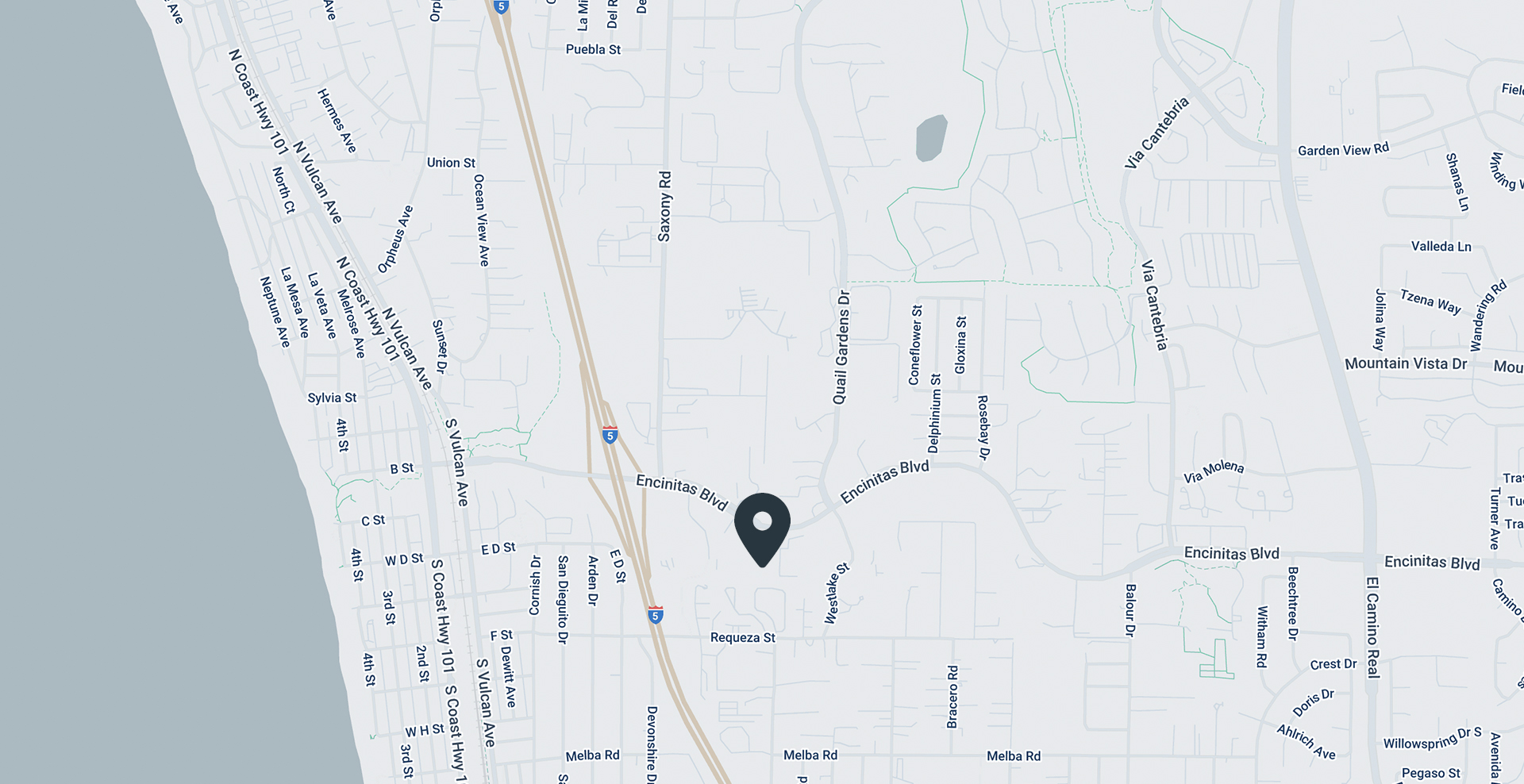
Seaside Psychiatry provides individualized psychiatric care for insomnia and sleep-related concerns in Encinitas and throughout North County San Diego, with telehealth available throughout California.
Frequently Asked Questions
When should insomnia be evaluated?
Persistent difficulty falling asleep, staying asleep, or obtaining restorative sleep—particularly when it affects daytime functioning—is worth discussing with a healthcare professional.
Can anxiety cause insomnia?
Yes. Anxiety and persistent worry can interfere with falling asleep and returning to sleep after nighttime awakenings.
Does treating insomnia always involve medication?
No. Behavioral strategies, sleep routines, lifestyle changes, treatment of underlying psychiatric conditions, and medication may all be considered depending on the individual.

Services
We Offer

Keep
In Touch
Psychiatry designed around your life.
Call (858) 225-6168 or request a consultation. Accepting a limited number of new patients.

© 2026 Seaside Psychiatry. All rights Reserved. Accessibility Statement - Privacy Policy - Sitemap - HIPAA Notice
Powered by:
