


Emotional Regulation
Emotional Regulation Support in Encinitas & North County San Diego
Understanding Emotional Regulation
Emotional regulation refers to the ability to recognize, manage, and respond to emotions in ways that support healthy functioning and relationships.
Everyone experiences strong emotions. Difficulties with emotional regulation become more concerning when emotional reactions feel overwhelming, occur frequently, interfere with relationships or responsibilities, or are difficult to recover from.
At Seaside Psychiatry, we help children, adolescents, and adults understand the factors contributing to emotional regulation difficulties and develop individualized strategies for managing them.
Emotional Regulation Difficulties May Look Like
- Intense or rapidly changing emotions
- Frequent irritability
- Anger that feels difficult to control
- Emotional overwhelm
- Difficulty recovering after becoming upset
- Sensitivity to criticism or perceived rejection
- Impulsive reactions
- Frequent conflict
- Difficulty tolerating frustration
- Emotional responses that feel disproportionate to the situation
These experiences can occur in the context of ADHD, anxiety, mood disorders, stress, developmental changes, or other mental health concerns.
Supporting Children & Adolescents
For young people, emotional regulation is closely connected to developmental stage.
We consider the child's age, temperament, family environment, school experience, relationships, sleep, attention, and other factors when understanding emotional difficulties.
Parent coaching may be incorporated to help parents respond consistently while maintaining connection and appropriate boundaries.
Supporting Adults
Adults may experience emotional regulation difficulties as irritability, impulsivity, relationship conflict, difficulty managing stress, or feeling overwhelmed by everyday demands.
Treatment focuses on understanding patterns and developing practical strategies that support emotional flexibility and resilience.
Our Approach
Depending on individual needs, care may include:
- Psychiatric evaluation
- Psychotherapy
- Medication management when appropriate
- Parent coaching
- Behavioral strategies
- Sleep and lifestyle optimization
- Stress management
- Collaboration with therapists and other providers
Emotional Regulation Care in Encinitas
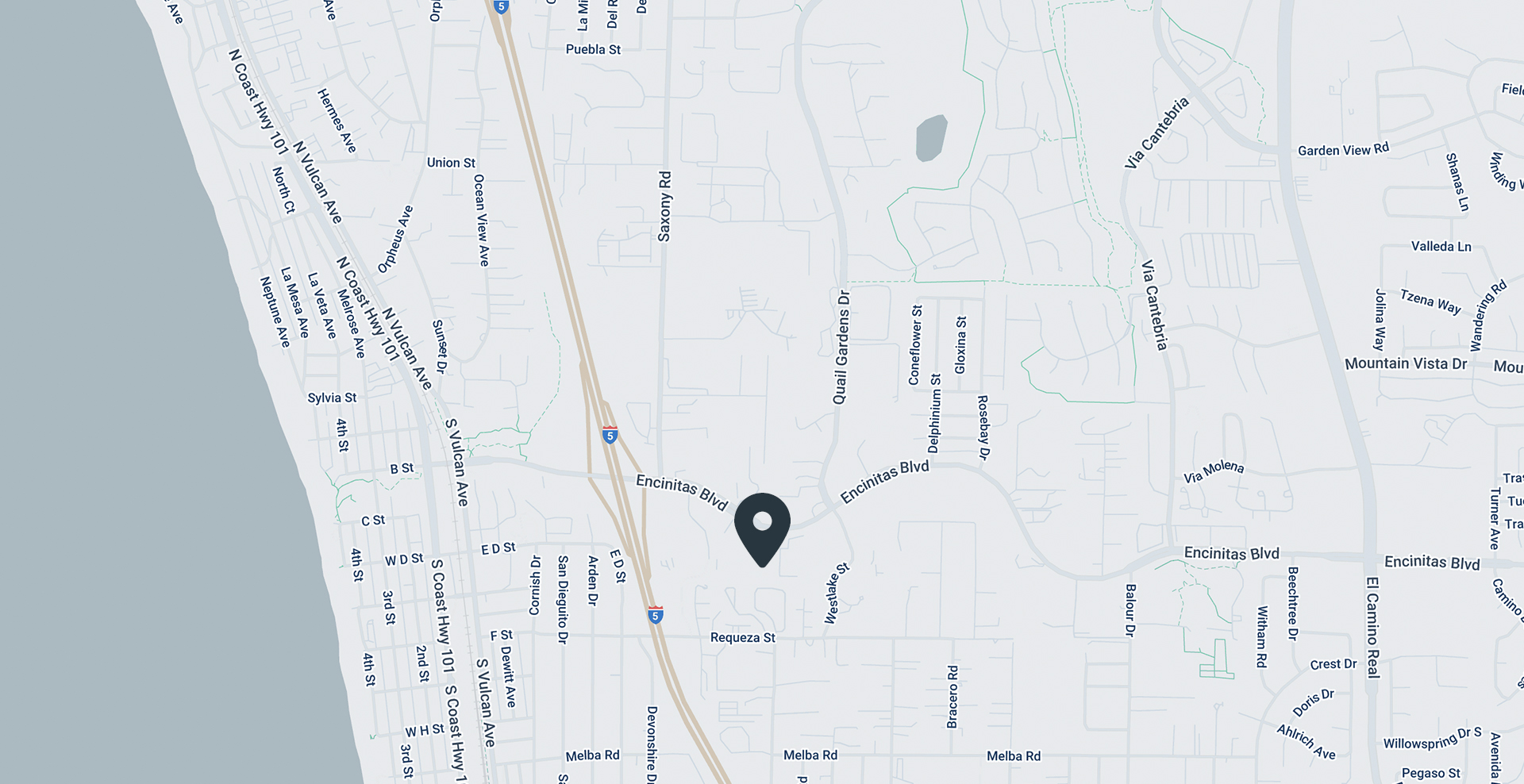
Seaside Psychiatry provides individualized psychiatric care in Encinitas and throughout North County San Diego, with telehealth available throughout California.
Frequently Asked Questions
Is difficulty regulating emotions a diagnosis?
Emotional regulation difficulties can occur as part of many different conditions and do not necessarily represent a diagnosis on their own.
Can ADHD affect emotional regulation?
Yes. Difficulties with emotional regulation can occur alongside ADHD, although they are not specific to ADHD.
Can children learn better emotional regulation skills?
Yes. Developmentally appropriate strategies, psychotherapy, parent support, and treatment of underlying conditions can all play a role.

Services
We Offer

Keep
In Touch
Psychiatry designed around your life.
Call (858) 225-6168 or request a consultation. Accepting a limited number of new patients.

© 2026 Seaside Psychiatry. All rights Reserved. Accessibility Statement - Privacy Policy - Sitemap - HIPAA Notice
Powered by:
